Please update your browser
Your current browser version is outdated. We recommend updating to the latest version for an improved and secure browsing experience.
Hirokazu Kore-eda
Scroll to explore the exhibition
Hirokazu Kore-eda
- Introduction (Hirokazu Kore-eda)
- Influences and Approaches
- Hirokazu Kore-eda's Cinema
-
Introduction (Hirokazu Kore-eda)
-
Influences and Approaches
-
Hirokazu Kore-eda's Cinema
-
Ryūsuke Hamaguchi
-
Apichatpong Weerasethakul
-
James Gray
-
Color
-
Darius Khondji
-
Caroline Champetier


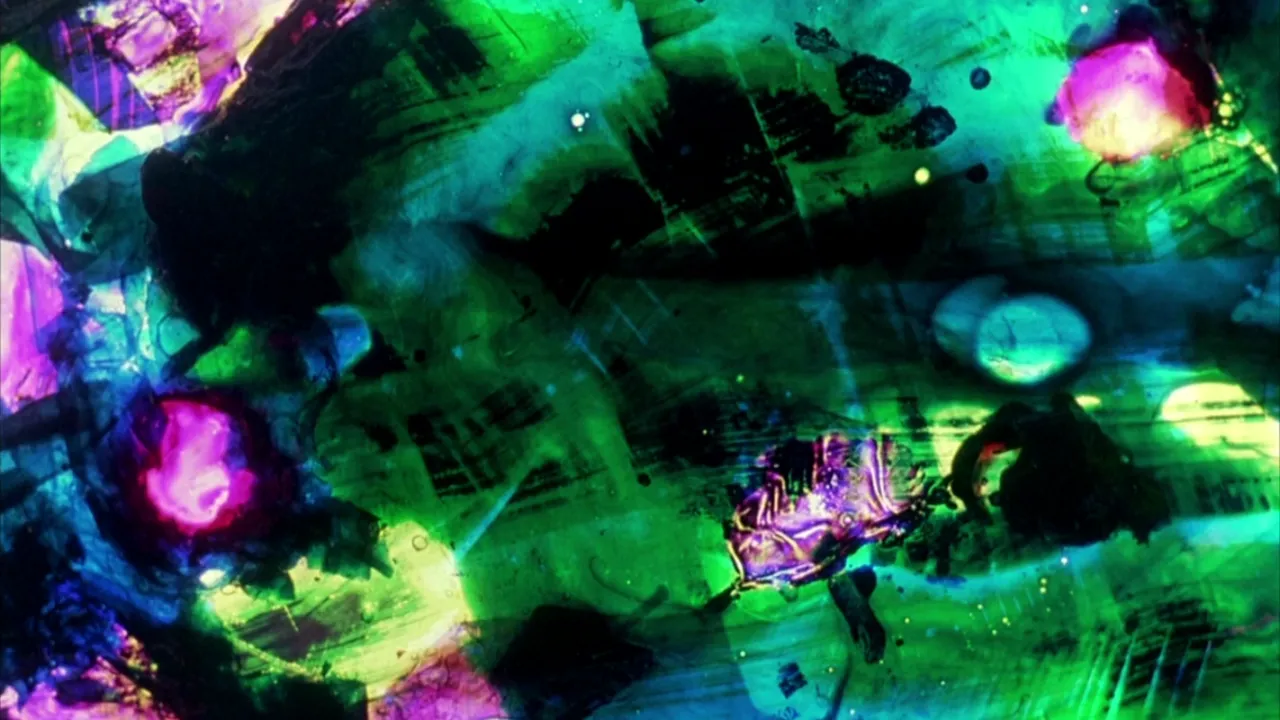


Hirokazu Kore-eda
Introduction (Hirokazu Kore-eda)
Hirokazu Kore-eda
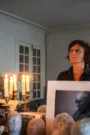
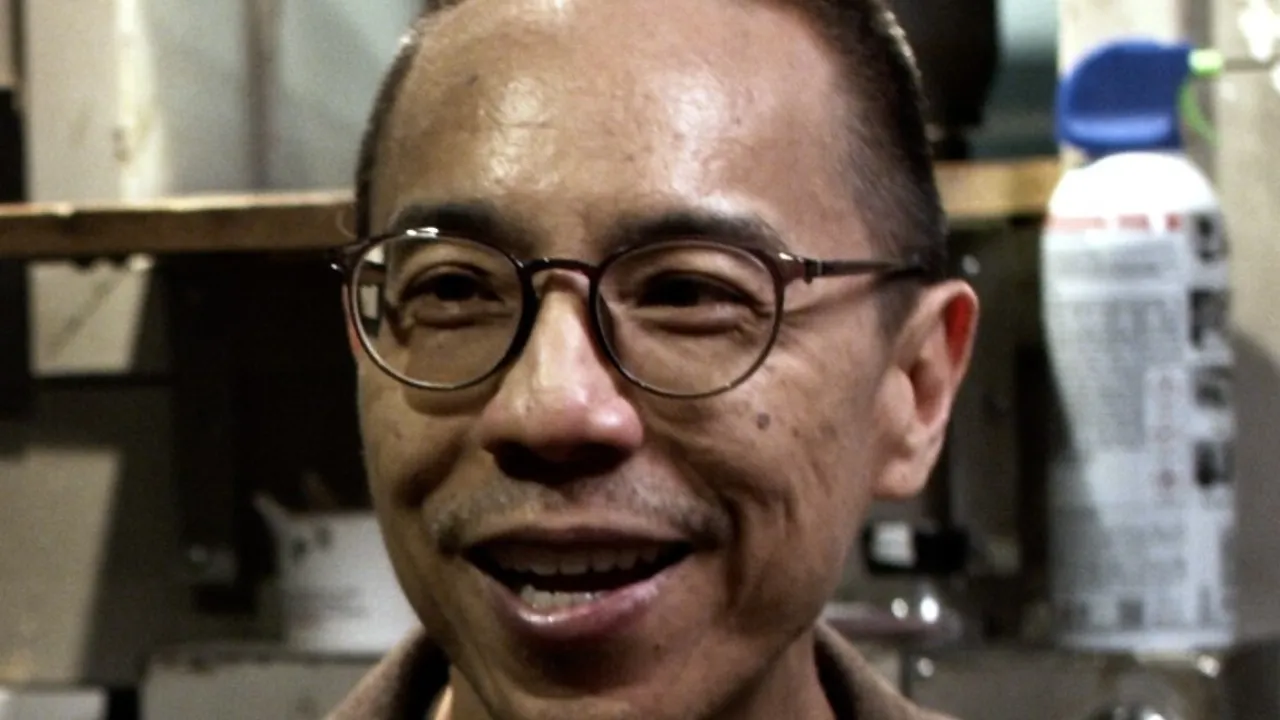
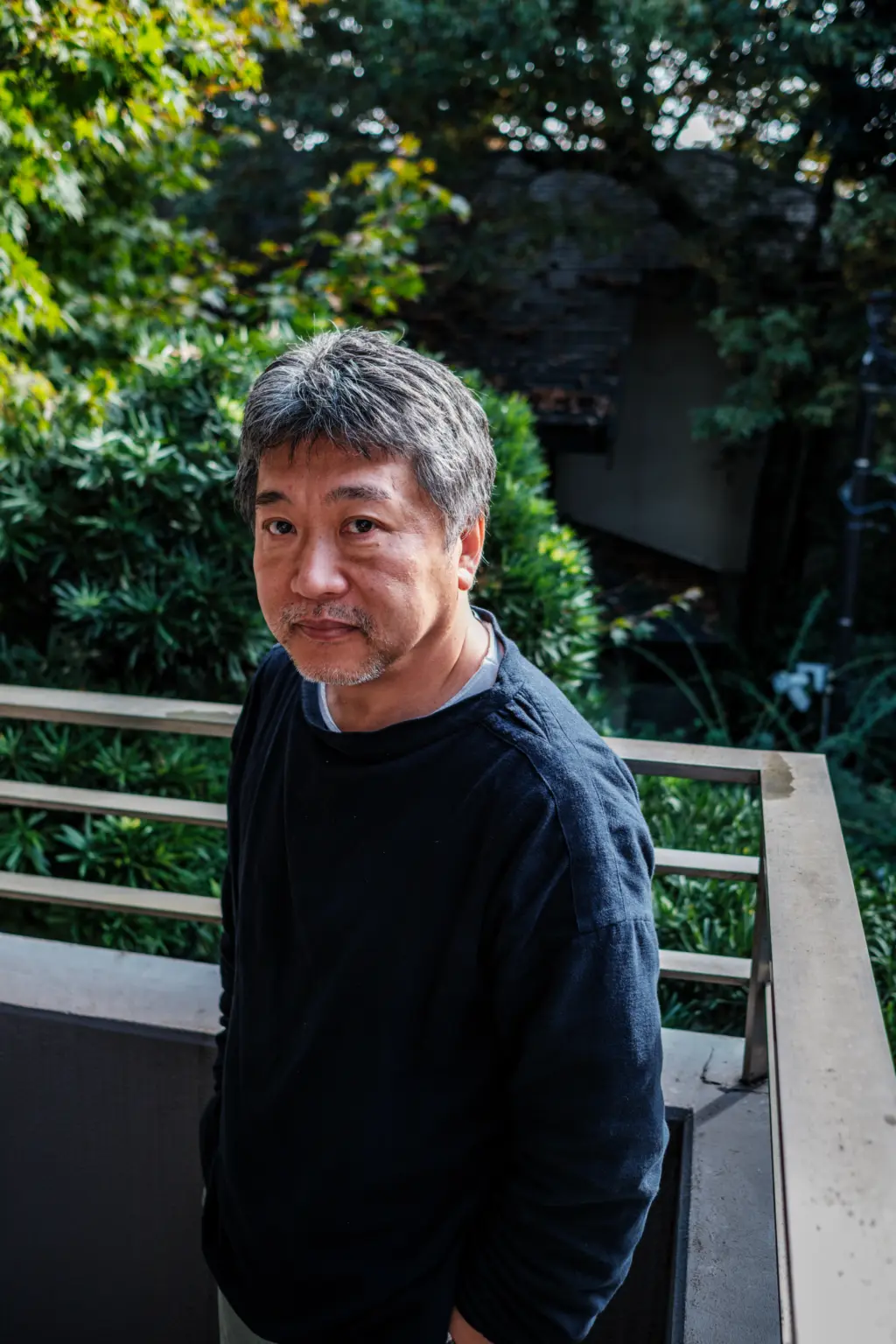
With quiet precision, Hirokazu Kore-eda has helped to reinvigorate the approaches to space, movement, family, and light that have long distinguished Japanese cinema. All of these topics are discussed at length in the portrait film in this room. It sets the stage for the exploration of influences in the second and questions of style, method, and theme in the third. Photograph by Gus Aronson (Tokyo, November 2022).
Influences and Approaches
Floating Clouds
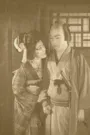
Floating Clouds (Mikio Naruse, 1955) is the paradigmatic film of the director Hirokazu Kore-eda describes in our portrait film as his greatest influence.
Dust in the Wind
Hou Hsiao-hsien's early masterpiece Dust in the Wind (1986) suggested new possibilities for cinema and inspired Hirokazu Kore-eda to move into ambitious feature filmmaking.
Hirokazu Kore-eda's Cinema
Family Ties
Family remains the central thematic concern of Hirokazu Kore-eda's work, and this extract from Nobody Knows (2004) epitomizes his dynamic approach to movement and point-of-view.
Domestic Spaces
As this single shot from Still Walking (2008) demonstrates, Hirokazu Kore-eda's treatment of domestic space both invites and refuses comparisons with Yasujirō Ozu.
The Sense of an Ending
Still Walking (Hirokazu Kore-eda, 2008) draws several of the director's central themes together, connecting ultimate ends with new beginnings.
Mysterious Light
From his first feature Maborosi (1995) on, Hirokazu Kore-eda's films have been obsessively preoccupied with gradations, qualities, and shifts in light.
-
Ryūsuke Hamaguchi
-
Apichatpong Weerasethakul
-
James Gray
-
Color
-
Darius Khondji
-
Caroline Champetier