Please update your browser
Your current browser version is outdated. We recommend updating to the latest version for an improved and secure browsing experience.
Discover our film & exhibition Releases
-
TitleKrzysztof ZanussiTypeexhibitionRelease Date17 Oct 2026 Recently Updated
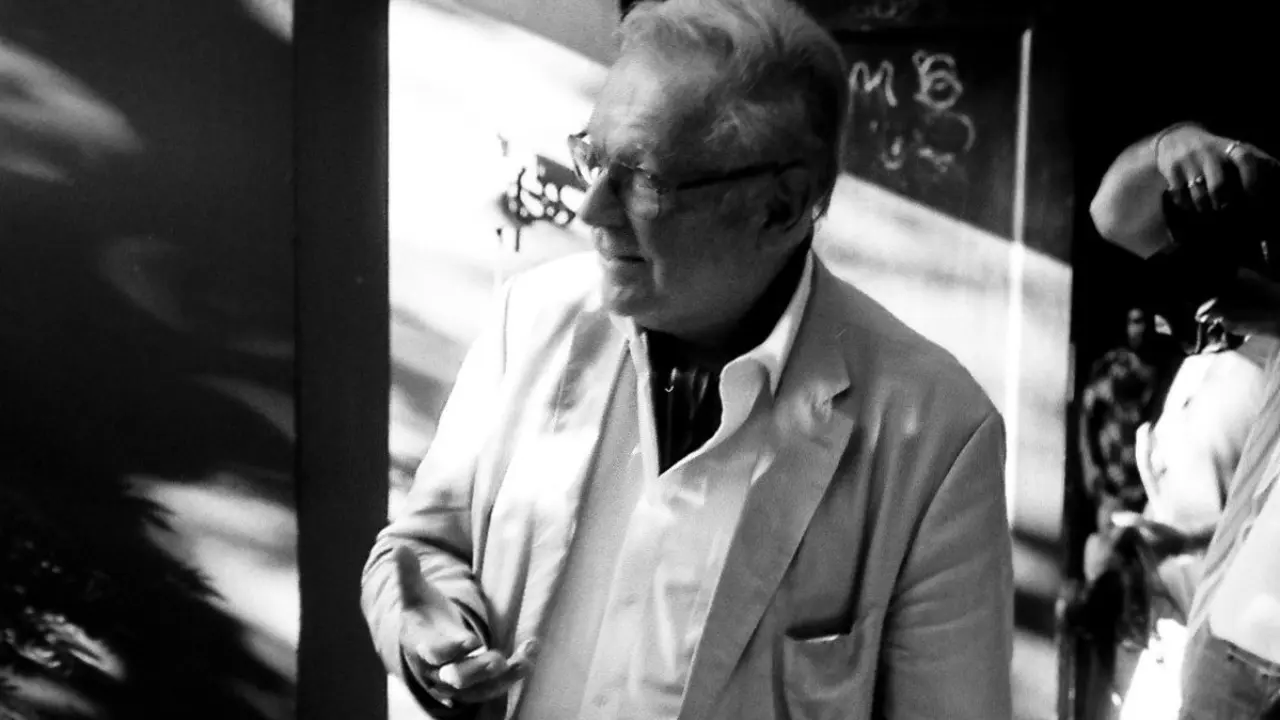
Vigorous, layered, and saturated with mysteries, the films of Krzysztof Zanussi are richly paradoxical explorations of the intersection of philosophy, science, history, and art.
TypeDirector -
TitleThe Last LaughTypefilmRelease Date09 Oct 2026 Recently Updated
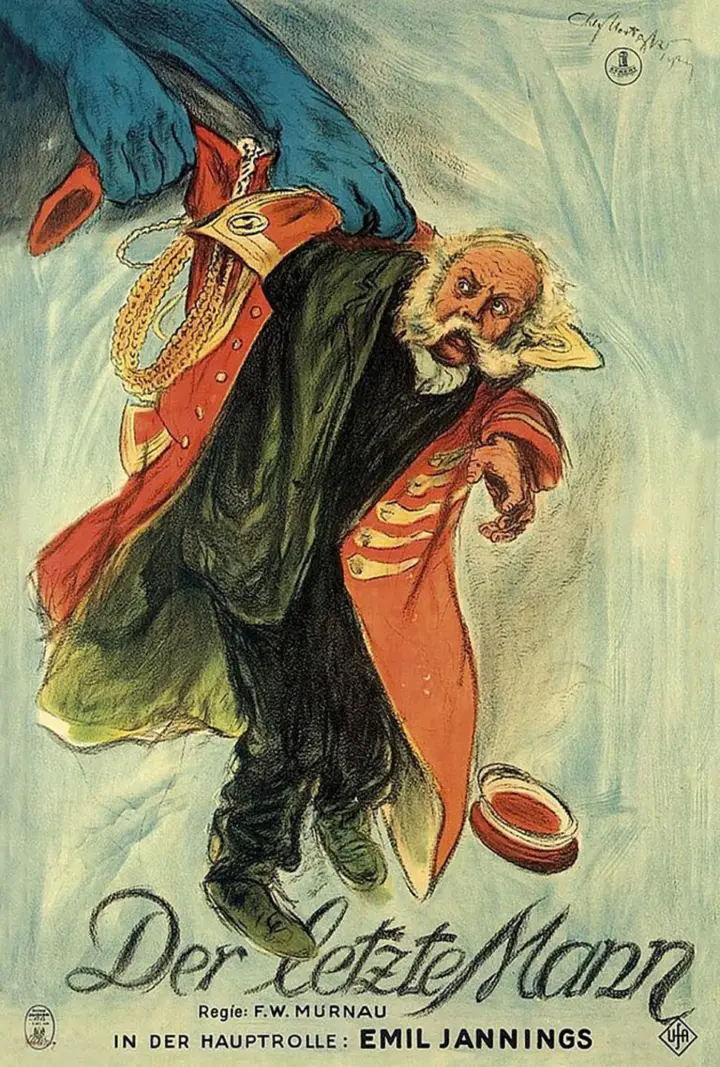
Astonishingly fluid and deeply influential, The Last Laugh is a unique fusion of expressionist and chamber theater elements. Director F. W. Murnau eschews intertitles, instead using the interplay between stark vertical lines and curved openings to draw out the psychological resonances of interior and exterior space. The approach is reinforced by cinematographer Karl Freund's "unchained camera" and the intense physicality of Emil Jannings. With the original score of Giuseppe Becce and English subtitles.
-
TitleCamouflageTypefilmRelease Date02 Oct 2026 Recently Updated
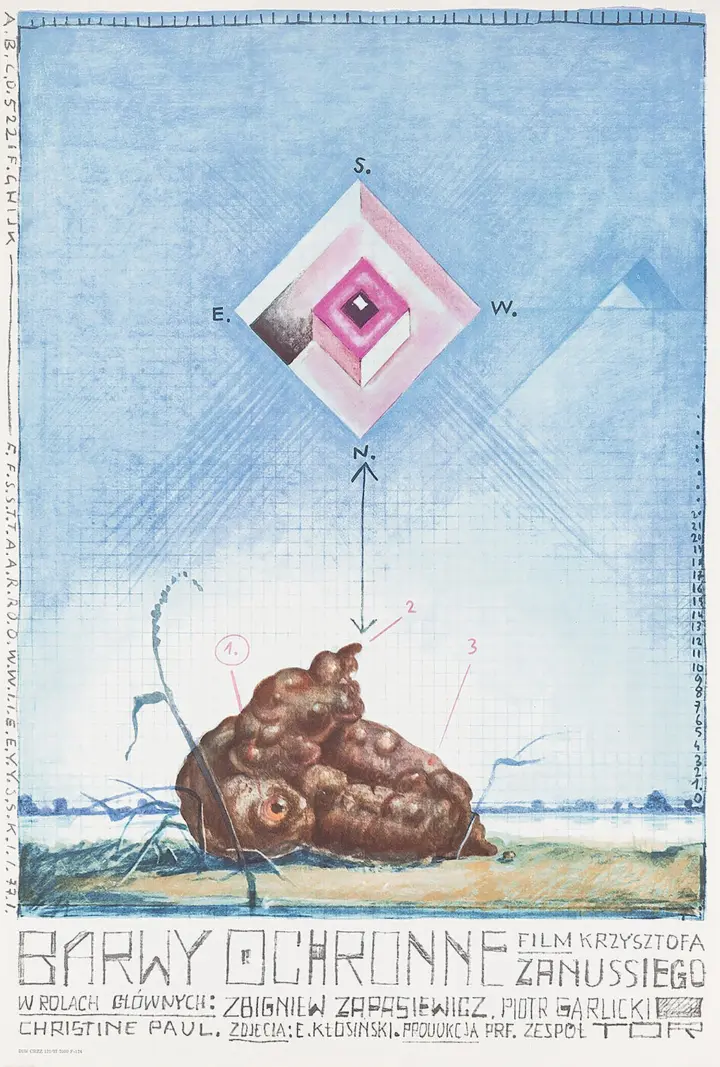
With understated elegance and a precisely modulated mise-en-scène, director Krzysztof Zanussi crafted an ironic parable about the deeper consequences of seemingly banal decisions. The incisive depiction of being caught between the Scylla and Charybdis of petty corruption and self-righteous arrogance made Camouflage one of the defining works of Poland's Cinema of Moral Concern in the 1970s and remains as resonant as ever. With English subtitles.
-
TitleHow Cinephilia is BornTypeexhibitionRelease Date25 Sep 2026 Recently Updated
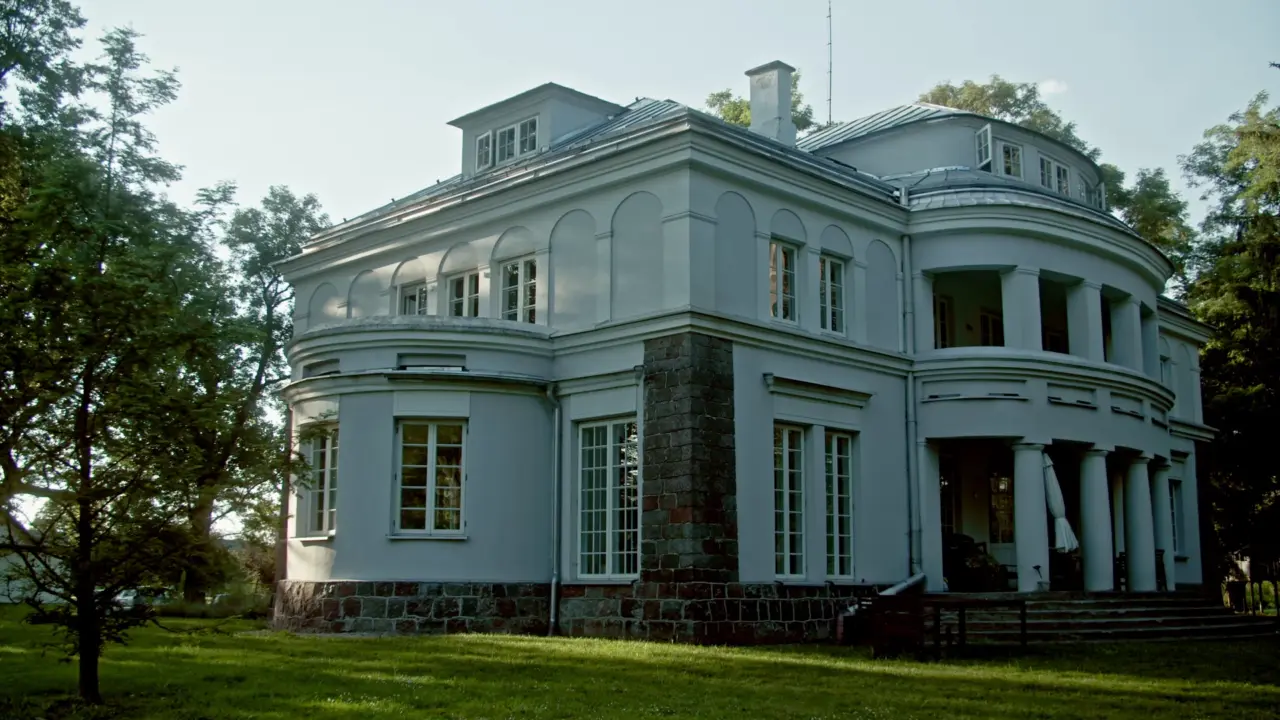
A feature-length conversation with critic Michał Oleszczyk about the styles of major British and Polish filmmakers and the experience of cinema on both sides of the Iron Curtain.
TypeCritic -
TitleOf Time and the CityTypefilmRelease Date11 Sep 2026 Recently Updated
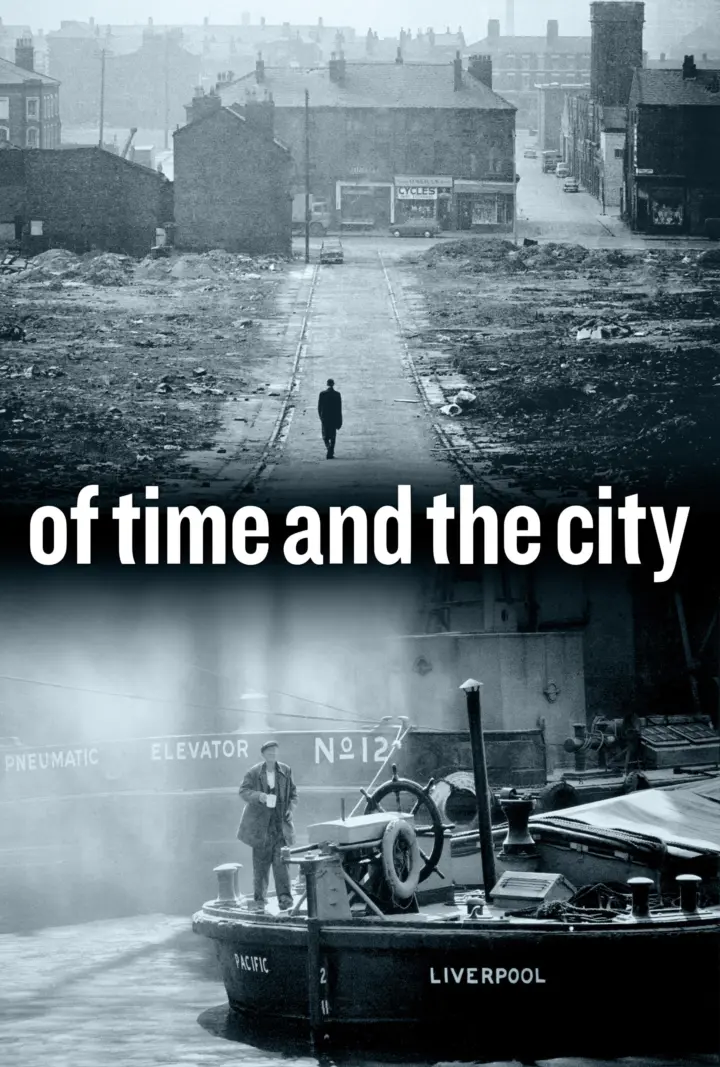
Liverpudlian Terence Davies imaginatively transformed the narrow confines of small sections of the city in his early autobiographical fictions. His intimate documentary epic Of Time and the City presents Britain's "Second City" as a place where, like James Joyce's Dublin, the small and the cosmic meet. Sometimes caustic, often ironic, and always lyrical, it is a vigorous exploration of the roots and meanings of cinematic poetry.
-
TitleI Dreamt I Woke UpTypefilmRelease Date04 Sep 2026 Recently Updated
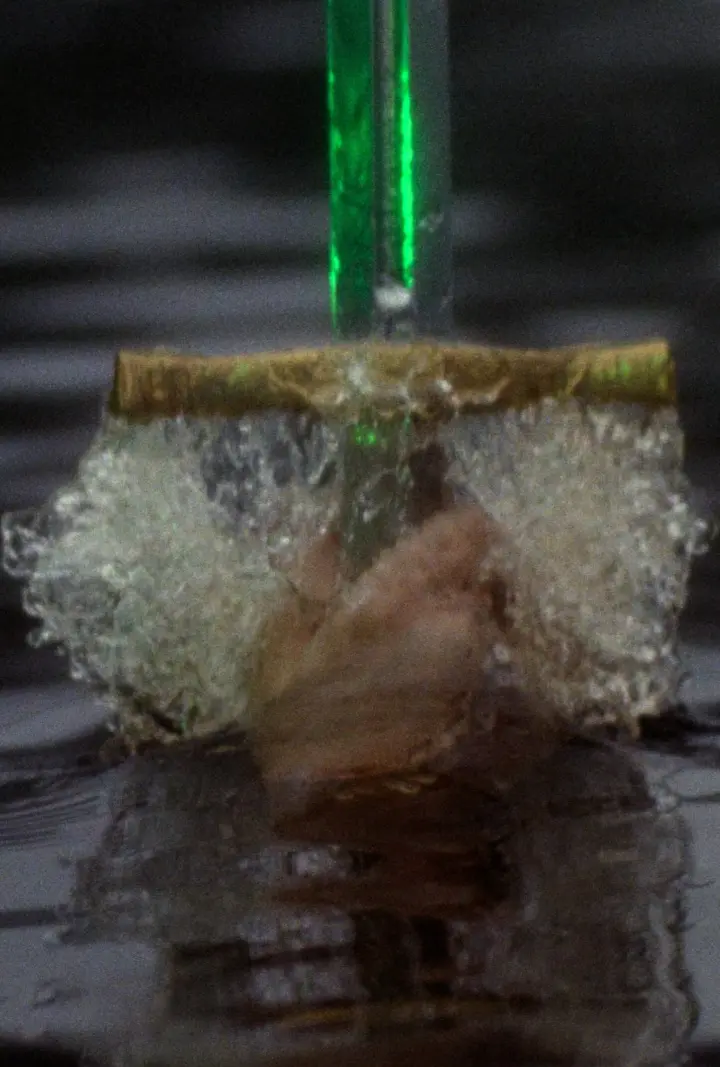
The least seen of John Boorman's major works, I Dreamt I Woke Up explores the contours of the creative process with wit and insight. Deeply psychological and rich with mythic associations, Boorman's essay film is also a poetic reflection on the Irish landscapes in County Wicklow that have shaped his imaginative universe since 1969. Presented from a new scan of the filmmaker's personal 35mm print.
-
TitleThey Made Me a FugitiveTypefilmRelease Date21 Aug 2026 Recently Updated
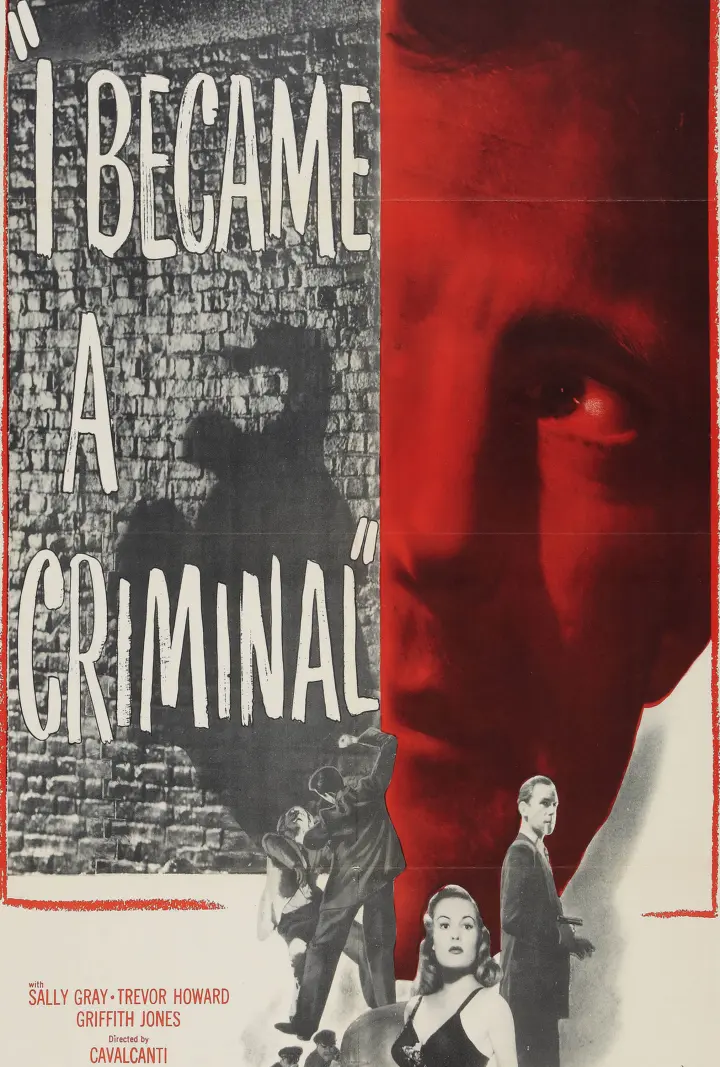
A landmark British noir, They Made Me a Fugitive vividly depicts the paradoxes of life in postwar England. The confluence of low-key lighting and the elegant sylization of director Alberto Cavalcanti with the dominant social realist tradition transforms atmospheric details into a powerful sense of disquiet. Émigré cinematographer Otto Heller contributes some of the German Expressionist strategies later used in his work with Laurence Olivier and Michael Powell, and Trevor Howard gives one of his most soulful performances, a dark inversion of his iconic role in Brief Encounter (1945).
-
TitleCoal FaceTypefilmRelease Date14 Aug 2026 Recently Updated

One of the most sensitive and rigorously edited of British documentaries, Coal Face was a landmark collaboration of the peripatetic Brazilian-born director Alberto Cavalcanti, composer Benjamin Britten, and the poet W. H. Auden (who wrote the narration). The film is a precise delineation of the many facets of what was once, as the narrator tells us, "the basic industry of Britain" and a paean to the human figures who made that possible.
-
TitleNight MailTypefilmRelease Date14 Aug 2026 Recently Updated

The most well-known and widely distributed of the experimental documentaries produced by the General Post Office Film Unit in the 1930s, Night Mail is, like Coal Face, a collaboration with composer Benjamin Britten and the poet W. H. Auden. Like many montage films of the period, the emphasis is on process, here the different phases of mail delivery. Recurring visual and auditory motifs link the different strata, environments, and regions of Britain in striking and sometimes surprising ways.
-
TitleSecret AgentTypefilmRelease Date04 Aug 2026 Recently Updated
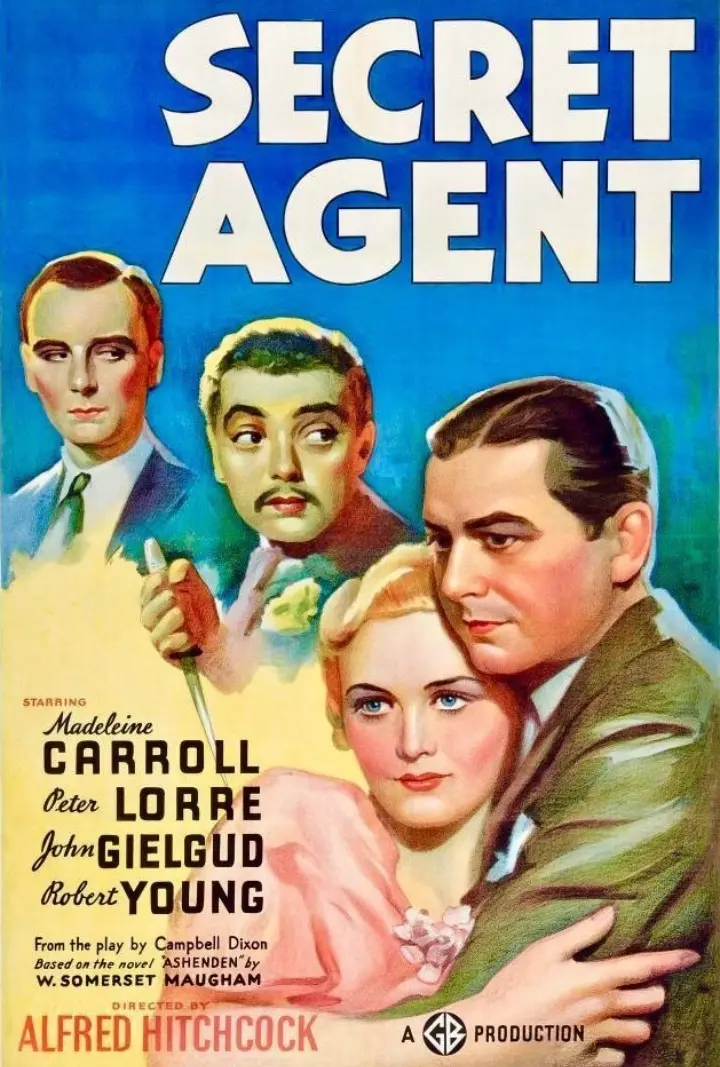
One of two espionage thrillers Alfred Hitchcock made in 1936, Secret Agent derives from the stories of W. Somerset Maugham. The byzantine operations of intelligence services during the First World War provides a framework for a characteristically witty exploration of point-of-view, duplicitous encounters, and the narrative power of objects. An extraordinary sequence in a Swiss church demonstrates the force of Hitchcock's British Catholic imagination and eerily anticipates the early films of Terence Davies.
-
TitleThe Neon BibleTypefilmRelease Date24 Jul 2026 Recently Updated
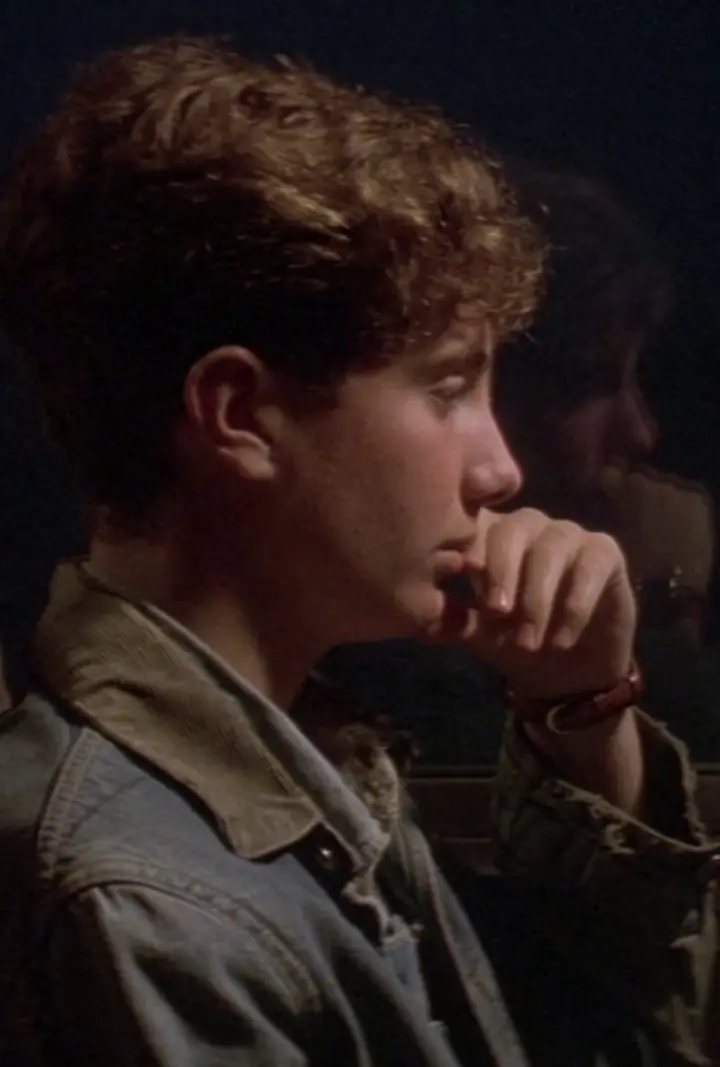
Terence Davies's first sojourn in America is full of surprises. The episodic structure mirrors that of John Kennedy Toole's titular novel, but the visual design and treatment of the gaps between figures and environments derive from the paintings of Edward Hopper. Looping transitions through time and memory are anchored by subtly echoing transitional spaces, winding camera movements, and a characteristically luminous performance by Gena Rowlands.
-
TitleThe Fall of TroyTypefilmRelease Date17 Jul 2026 Recently Updated
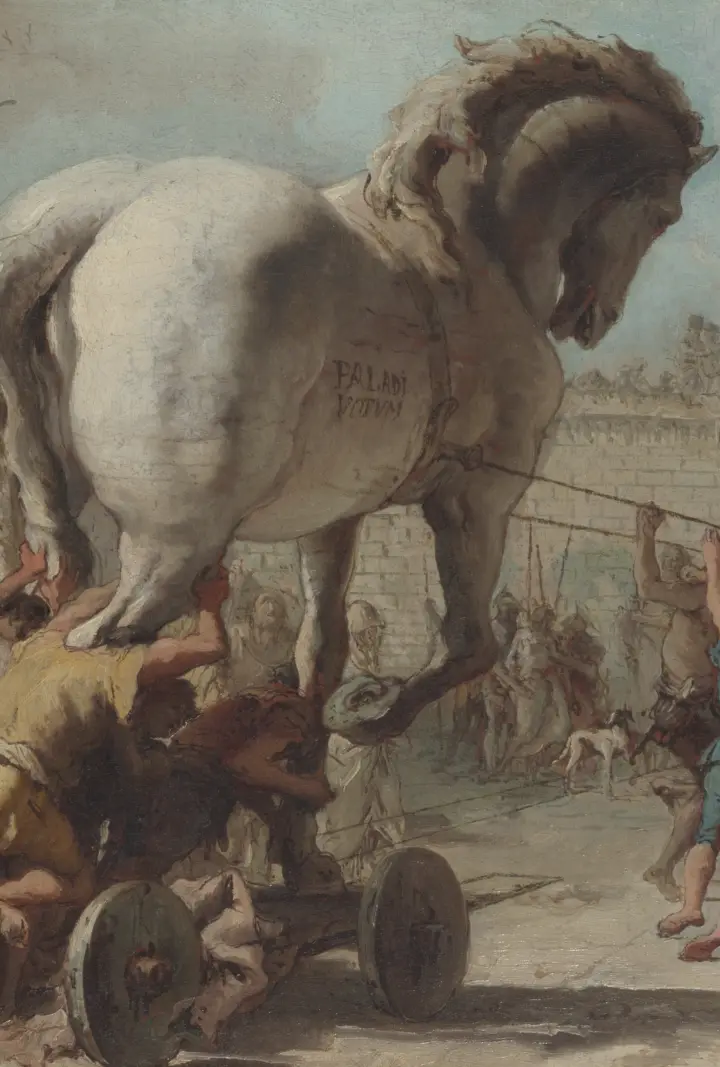
Freely combining tropes from Homer and Virgil, Giovanni Pastrone and Luigi Romano Borgnetto's epic is as remarkable for its creative ingenuity as its scale. Pastrone and Borgnetto use recurring camera movements, background figures, phantasmagorical superimpositions, and adventurous editing to develop a complex but coherent narrative form. Unusually intended for presentation as a single work (without intermission), it was an enormous international success, establishing a model of ambitious filmmaking that endures to the present. Restored by the Fondazione Cineteca Italiano. With English subtitles.
-
TitleListen to BritainTypefilmRelease Date10 Jul 2026 Recently Updated
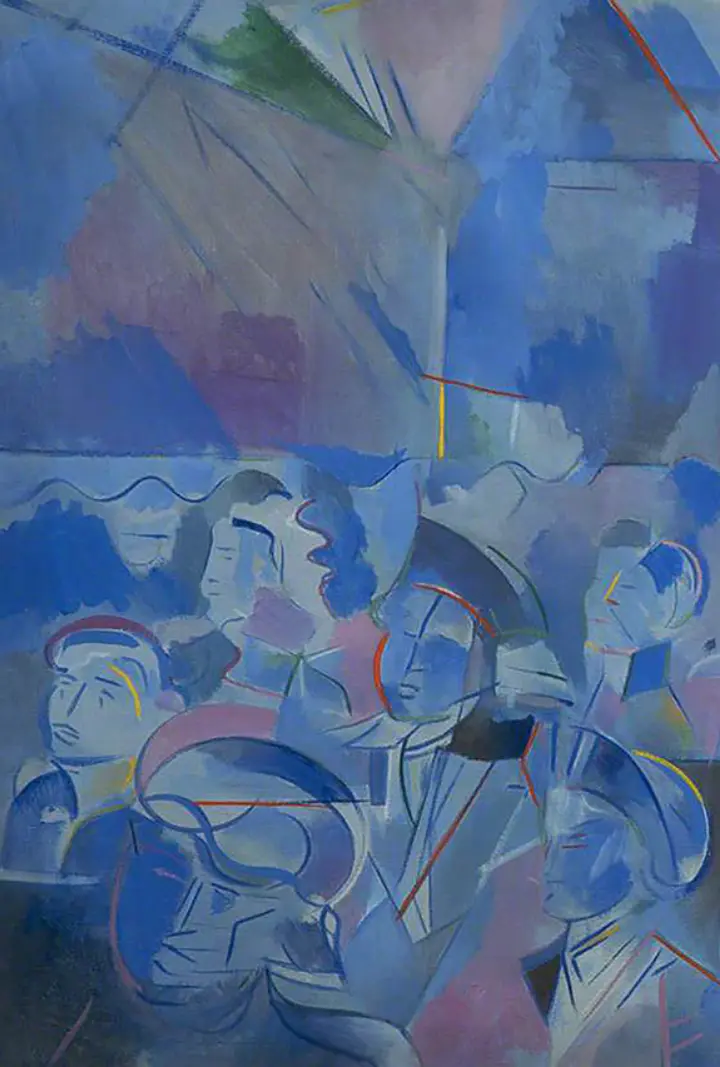
The most enduring of British wartime films, Listen to Britain is a masterpiece of precise observation and of the use of sound-image montage to generate associations that are both specific and evocative. Director Humphrey Jennings, working closely with editor Stewart McAllister, captures all facets of British life in 1942, from the habitual nature of descents into underground tunnels to the singular experience of people from all backgrounds watching pianist Dame Myra Hess perform a free concert in London's National Gallery. The composite portrait makes it very clear what Britain was fighting for while also poetically suggesting creative possibilities for the future. Jennings was a profound influence on later directors such as John Boorman and Terence Davies. New restoration by the British Film Institute.
-
TitleA Cottage on DartmoorTypefilmRelease Date03 Jul 2026 Recently Updated
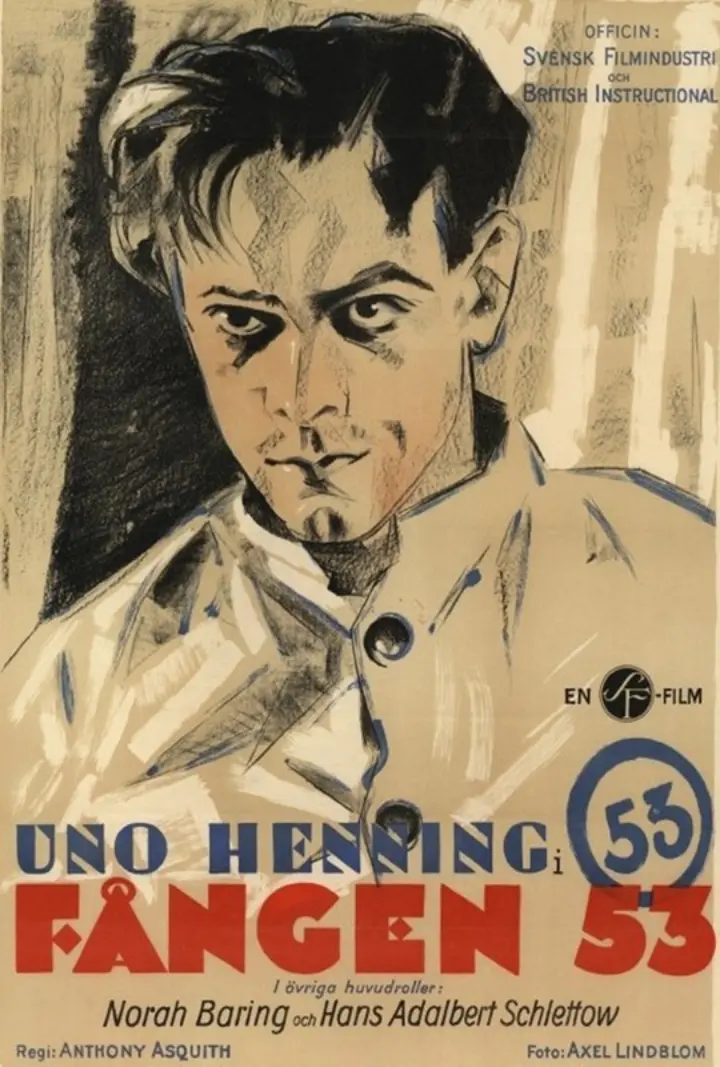
A Cottage on Dartmoor is a celebration of the mobility and compositional integrity of silent cinema that was originally conceived as a part-talkie. Director Anthony Asquith would become famous for his conventional adaptations of plays by George Bernard Shaw and Terence Rattigan, but A Cottage on Dartmoor is a forcefully visual film, with location footage that is as striking as the carefully framed interiors. Strongly influenced by both German Expressionism and Soviet montage, the complex flashback structure interweaves multiple points-of-view as it converges towards the present.
-
TitleTerence DaviesTypeexhibitionRelease Date26 Jun 2026 Recently Updated
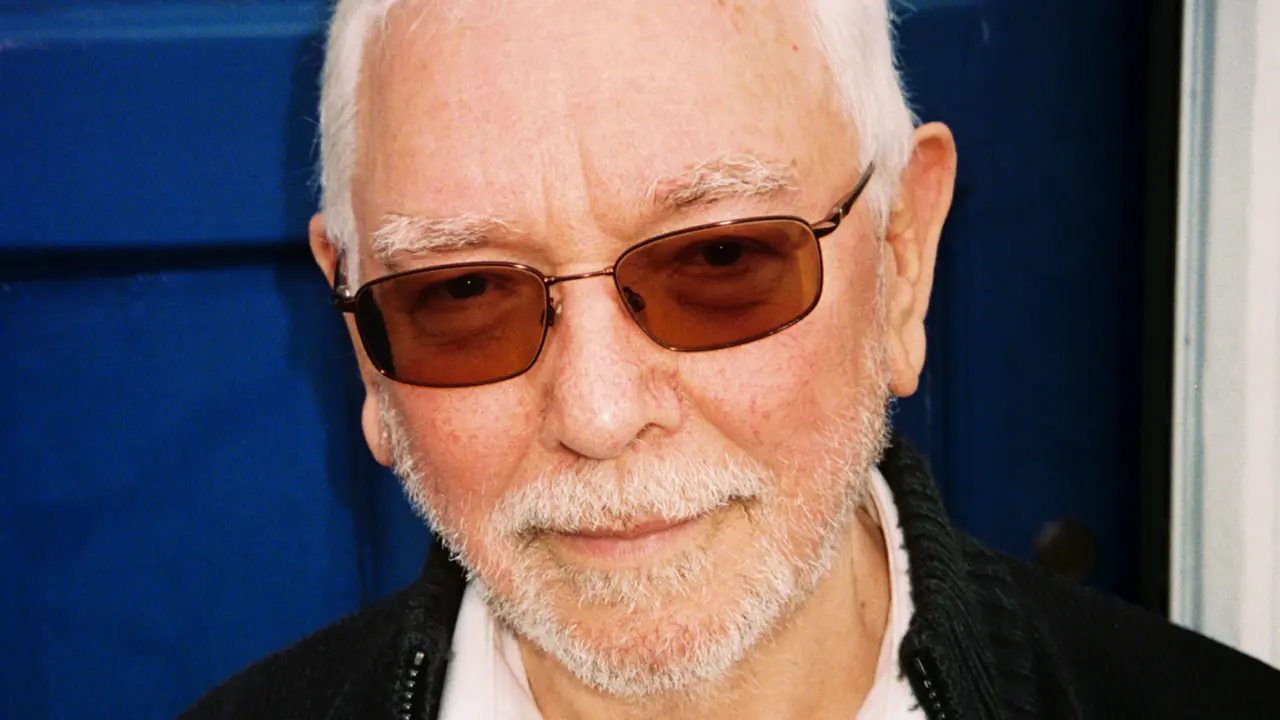
Through shifting points-of-view and a unique approach to movement and space, the lyrical films of Terence Davies (1945-2023) open up new perspectives on perception, memory, and time.
TypeDirector -
TitleHenry VTypefilmRelease Date19 Jun 2026 Recently Updated
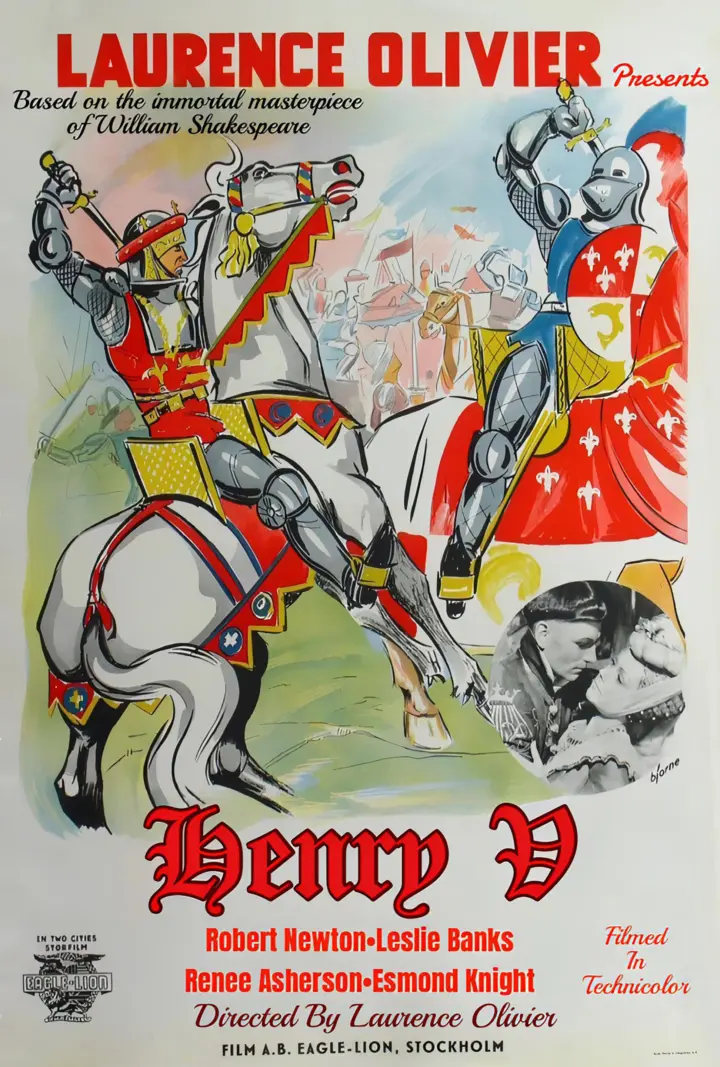
Laurence Olivier's film of Shakespeare's Henry V (1599) is Britain's greatest wartime epic. It is also a celebration of the possibilities of cinema, shot in Technicolor with a score by composer William Walton and a visual design inspired by illuminated manuscripts and Renaissance paintings. Released several months after the Normandy landings, the film's patriotic purpose was clear, but Olivier remains attentive to the nuances of Shakespeare's meditation on leadership. Like his protagonist, Olivier understands the power of rhetorical prowess, drawing together all the resources of his art - vocal register, physical gesture, and the movement of actors and camera - in the climactic sequence.
No upcoming releases